Exploring the psychology behind casino games
The Allure of Chance and Luck
The thrill of chance plays a significant role in the appeal of casino games. Patrons are drawn to games like slots, roulette, and blackjack, where the element of unpredictability heightens their experience. The psychological phenomenon known as “gambling fallacy” often leads players to believe that past outcomes can influence future results, making them feel more confident in their chances. Many players enjoy the excitement of exploring a new gem, especially those found at gem establishments that offer unique experiences along with increased engagement as they anticipate potential wins based on previous patterns they perceive.
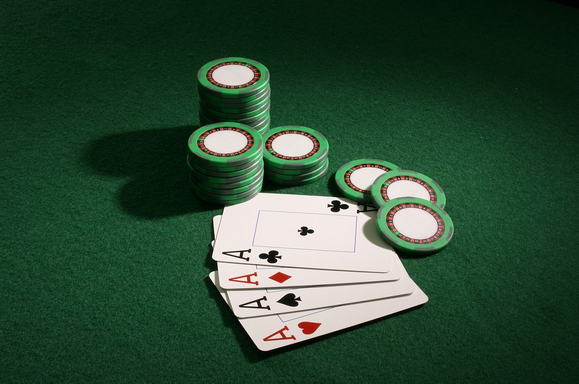
The excitement surrounding jackpot wins adds to the allure of chance. Players often imagine themselves as lucky winners, visualizing the life-changing impact of a big win. This mental imagery can create a euphoric sense of anticipation, leading players to invest more time and money into the games. As they chase these fantasies, they become caught up in the thrill of possibility rather than focusing on statistical realities. This shift in mindset can contribute to a cycle of continuous play, further reinforcing their attraction to casino games.
Furthermore, the design of many casino games enhances the excitement of winning. The bright lights, engaging sound effects, and intricate graphics all serve to amplify the emotional response players experience. This sensory stimulation creates a dynamic environment that encourages players to stay longer and invest more. In essence, the interplay between chance and psychological triggers shapes the gambling experience, making it a compelling activity for many individuals seeking thrill and escapism.
The Psychology of Reward Systems
Casino games often leverage sophisticated reward systems that engage players on multiple levels. Reinforcement theory explains that behaviors are likely to be repeated when they are followed by positive outcomes. In the context of gambling, wins – even small ones – release dopamine, a neurotransmitter associated with pleasure, reinforcing the desire to continue playing. Players may find themselves drawn back to the game, not just for the hope of hitting it big, but for the immediate gratification of smaller wins that keep them engaged.
The use of variable reinforcement schedules – where rewards are delivered at unpredictable intervals – significantly enhances this psychological effect. Players might experience a big win after numerous spins, which can create an addictive loop. This unpredictability fuels excitement and keeps players hopeful for the next win, making them willing to invest more time and money in the process. Over time, this can lead to a conditioned response where players are compelled to return to the gaming environment, creating a strong psychological bond with the game itself.
A further aspect of reward systems is the concept of “losses disguised as wins.” Casinos often design games to celebrate players’ wins, even if they do not recoup their initial stakes. This tactic can mislead players into feeling as if they are successful, encouraging them to continue playing with the hope of achieving greater wins. This blurring of the lines between winning and losing plays a vital role in sustaining gambling behavior and reinforcing the psychological grip of casino games.
The Role of Environment and Atmosphere
The physical environment of a casino significantly influences players’ psychological experiences. The design of casinos, with their vibrant colors, stimulating lights, and lack of clocks, creates an immersive atmosphere that encourages prolonged play. This carefully curated environment is intended to evoke feelings of excitement and relaxation, allowing players to become fully engrossed in their gaming experience. Such effects can lead to a disconnection from reality, making it easier for players to disregard time and money spent.
Moreover, social interactions within casinos can add another layer to the psychological experience. The presence of other players and the social dynamics of gaming create a sense of community and belonging. Players often share in the highs and lows of their experiences, which can amplify emotions related to winning and losing. This communal aspect fosters a shared identity and connection among players, reinforcing their commitment to the games while simultaneously heightening their emotional responses.
The strategic placement of games and the layout of casino floors also plays a critical role in guiding player behavior. Casinos often employ psychological principles to manage player flow, directing them toward popular or high-stake games. This manipulation of space not only influences the types of games players engage in but also encourages them to explore new games, ensuring that they remain in the casino for longer periods. Consequently, the combination of environment and atmosphere is essential in shaping the overall psychological experience of players.
Addiction and Compulsion in Gambling
The psychological drivers behind gambling can sometimes lead to compulsive behavior. For some individuals, the thrill of gambling can evolve into a serious addiction, characterized by an inability to control their gambling habits despite negative consequences. This addiction is often rooted in a desire to escape reality, manage stress, or fulfill unmet emotional needs. As players seek out games for the temporary euphoria they provide, they may find themselves trapped in a cycle of gambling that becomes increasingly destructive.
Cognitive distortions also play a significant role in gambling addiction. Players may hold irrational beliefs about their ability to influence outcomes, believing that skill or luck can outweigh the odds stacked against them. These distorted perceptions can lead to a dangerous overestimation of their chances of winning, further perpetuating their gambling habits. Treatment for gambling addiction often involves addressing these cognitive biases and helping individuals develop healthier coping strategies.
The consequences of gambling addiction extend beyond just the individual, impacting families, relationships, and financial stability. Many individuals struggling with gambling addiction may face legal issues, debt, and emotional distress. The psychological journey out of addiction is complex, often requiring support from professionals and loved ones to help individuals regain control over their lives. Understanding the psychology behind gambling can be crucial for developing effective prevention and treatment strategies.
Our Insights on Casino Games and Psychology
Understanding the psychology behind casino games reveals a wealth of insights into human behavior and the decision-making processes that drive gambling. Our comprehensive analysis explores the intricate relationship between chance, reward systems, environmental factors, and the potential for addiction. By delving into these elements, individuals can better understand the allure of casino games and the psychological mechanisms at play.
Our website aims to provide a deeper exploration of these themes, offering valuable resources for both casual players and those seeking help with gambling-related issues. Whether you are curious about the psychological aspects of gaming or looking for effective strategies to manage gambling habits, we strive to present informative and engaging content that addresses your needs. Together, we can foster a greater awareness of the psychological dynamics of casino gaming.
We invite you to explore our articles, research, and insights that cover a wide range of topics related to the intersection of psychology and gaming. Through a blend of analytical and practical approaches, our goal is to equip readers with the knowledge necessary to navigate the complexities of gambling while promoting a healthier understanding of the psychological factors involved. Join us in this journey of exploration and understanding, as we uncover the fascinating world of casino games through the lens of psychology.